Rebuilding Teams After Change: Resetting Norms That Help Work Flow
Rebuilding teams after change requires attention to trust, psychological safety, and new norms, so people can work with clarity instead of quiet uncertainty.

Rebuilding teams after change requires attention to trust, psychological safety, and new norms, so people can work with clarity instead of quiet uncertainty.

Difficult conversations at work become more useful when leaders prepare carefully, stay grounded in behaviour, and treat the discussion as a shared search for information.

A middle manager under pressure carries expectations from senior leaders and needs from teams, so support and clear practices matter more than personal resilience alone.

When your team is busy but not effective, the issue usually sits in clarity, flow, and behavioural norms rather than individual effort.

Small, repeatable leadership habits shape whether people feel they can rely on you, especially when work becomes demanding.

Organisational psychology becomes useful when it helps managers design roles, conversations, and routines that match how people actually behave at work.

Burnout develops slowly, so leaders who notice early behavioural shifts can protect both people and performance.
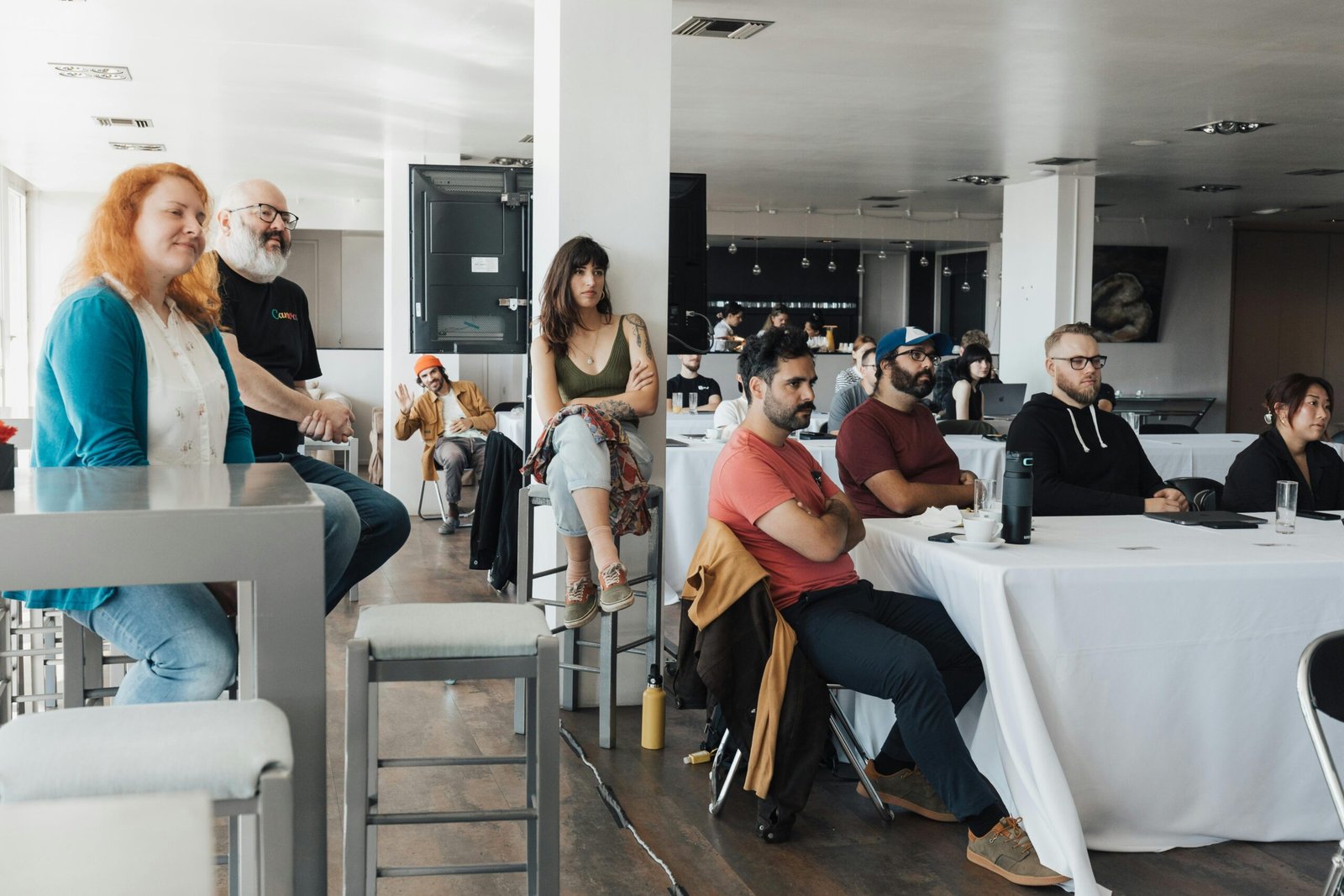
When meetings feel safe to speak in, teams surface risks earlier, share better ideas, and make clearer decisions.

Lorem ipsum dolor sit amet, consectetur adipiscing elit. Ut elit tellus, luctus nec ullamcorper mattis, pulvinar dapibus leo.