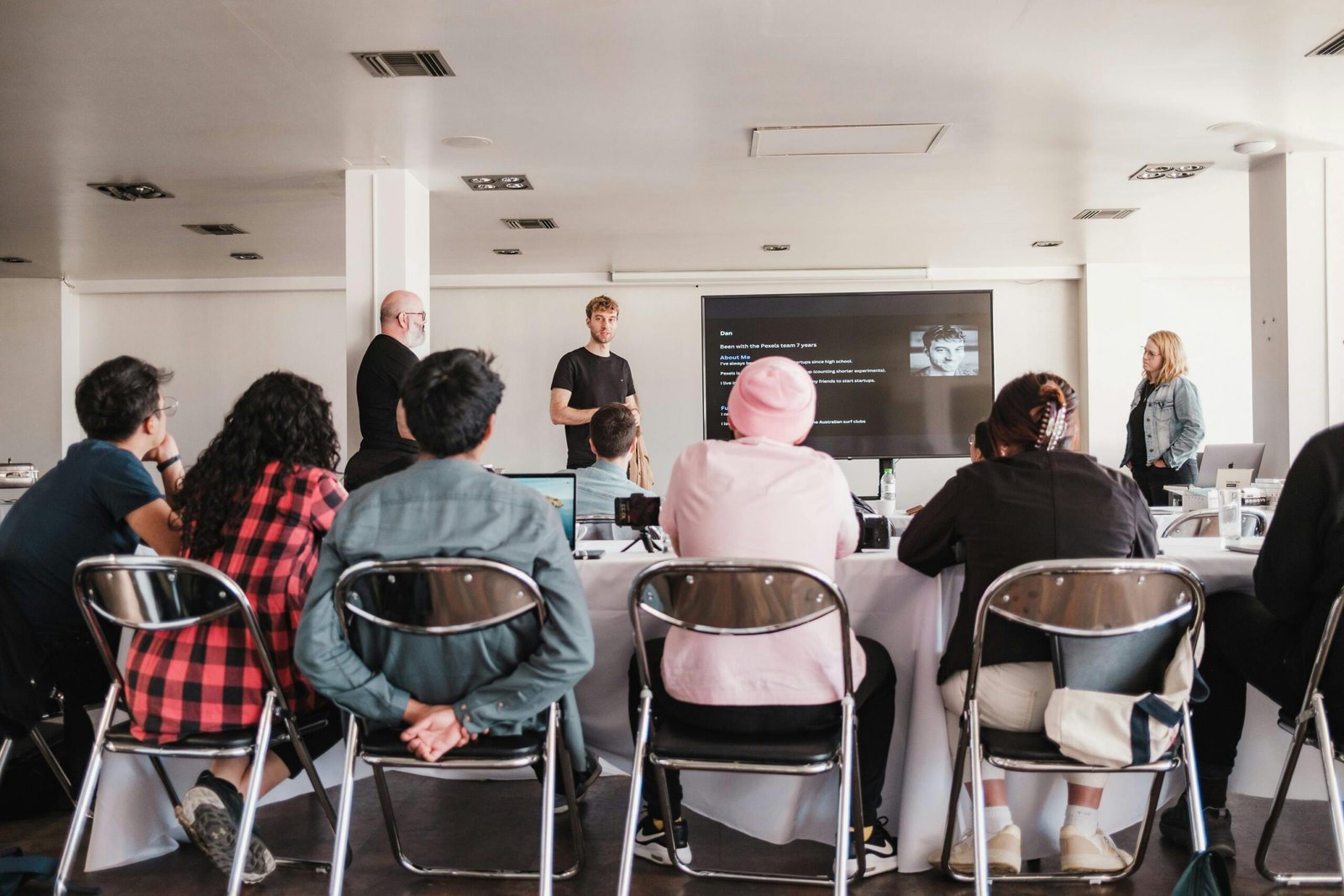
How Operational Leadership Stabilised A Hospital Service
A busy hospital service used operational leadership development to restore clarity, trust, and daily stability.

A busy hospital service used operational leadership development to restore clarity, trust, and daily stability.
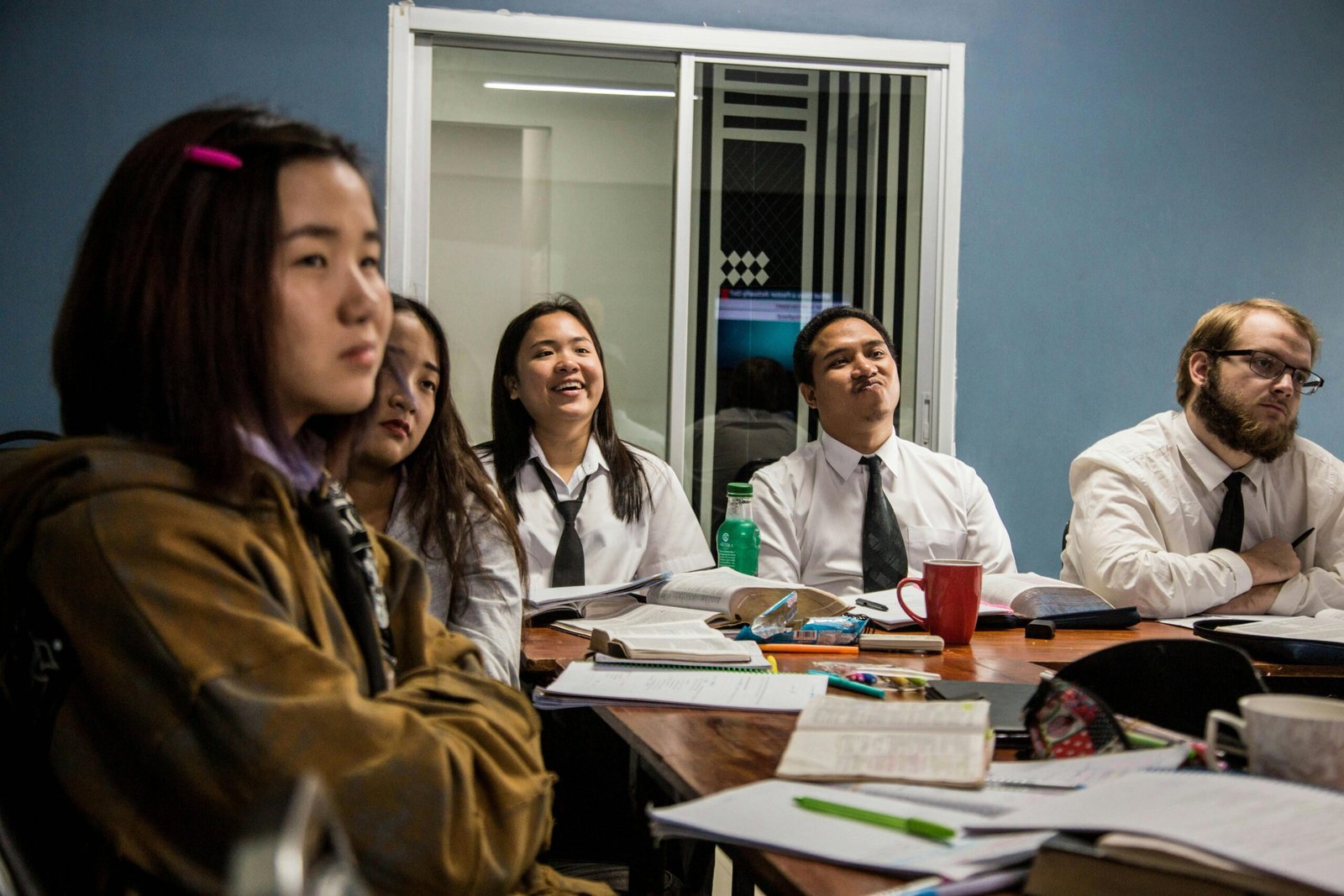
Rebuilding teams after change requires attention to trust, psychological safety, and new norms, so people can work with clarity instead of quiet uncertainty.

Difficult conversations at work become more useful when leaders prepare carefully, stay grounded in behaviour, and treat the discussion as a shared search for information.

A middle manager under pressure carries expectations from senior leaders and needs from teams, so support and clear practices matter more than personal resilience alone.

When your team is busy but not effective, the issue usually sits in clarity, flow, and behavioural norms rather than individual effort.

Small, repeatable leadership habits shape whether people feel they can rely on you, especially when work becomes demanding.

A growing technology firm used a structured stress management programme to reduce strain and improve daily working conditions.
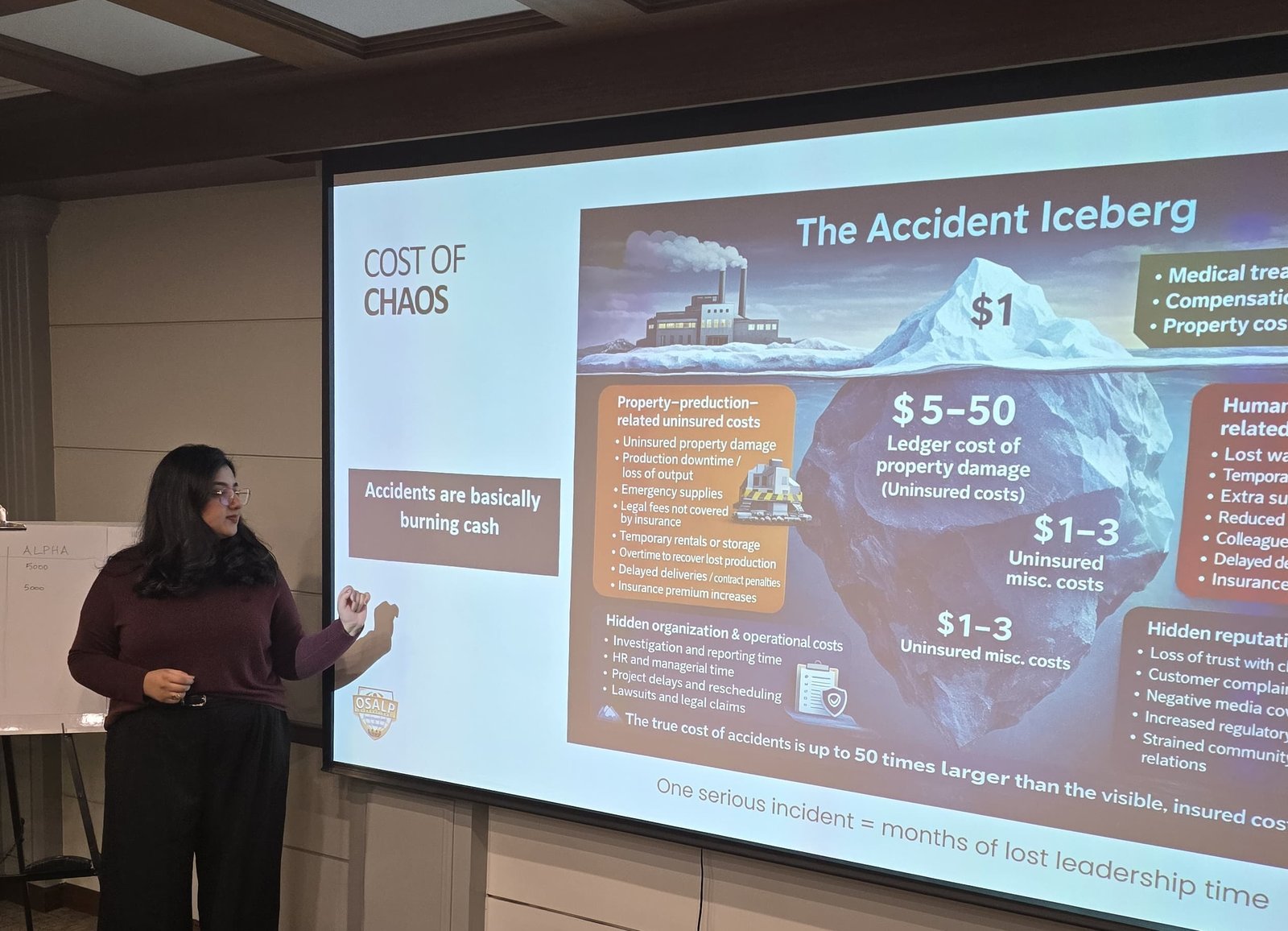
A safety leadership workshop for senior and non-HSE leaders helped turn HSE from a compliance topic into a shared behavioural responsibility.

A frontline office worker used simple time management tools to regain control of his day and reduce end-of-shift exhaustion.
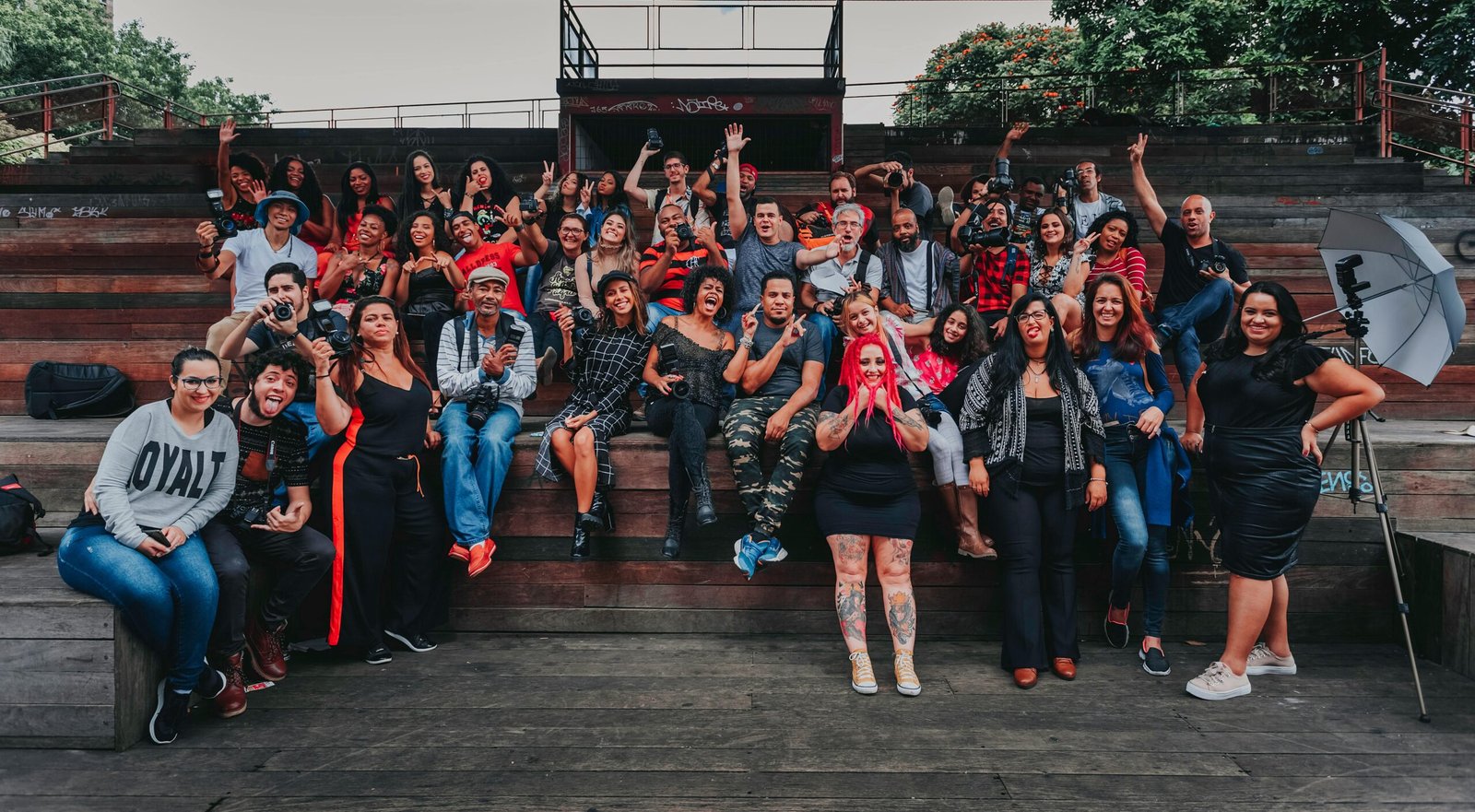
An interprofessional healthcare team used structured teamwork training to address imbalance, improve communication, and strengthen daily collaboration.

Lorem ipsum dolor sit amet, consectetur adipiscing elit. Ut elit tellus, luctus nec ullamcorper mattis, pulvinar dapibus leo.